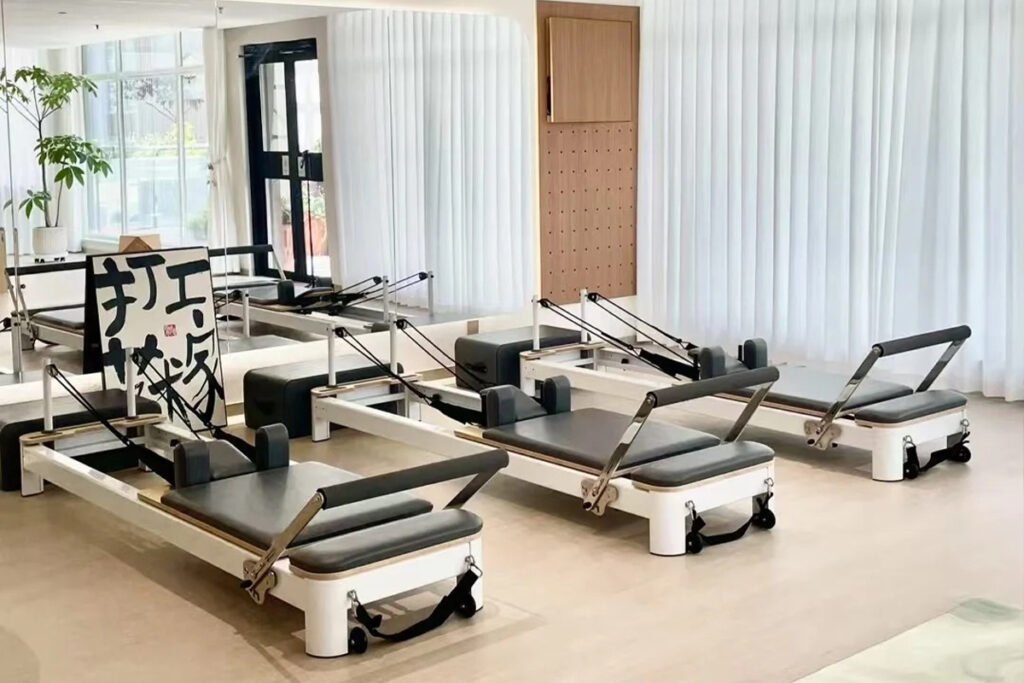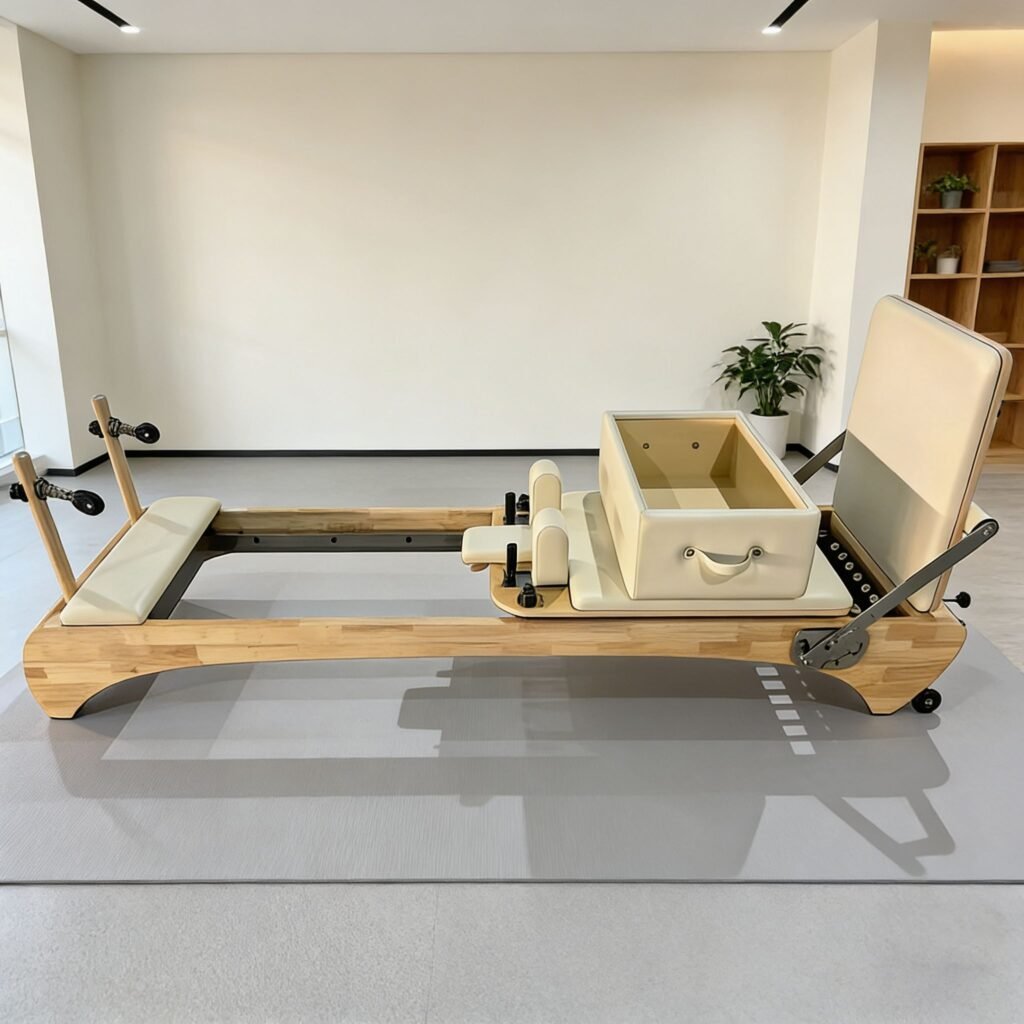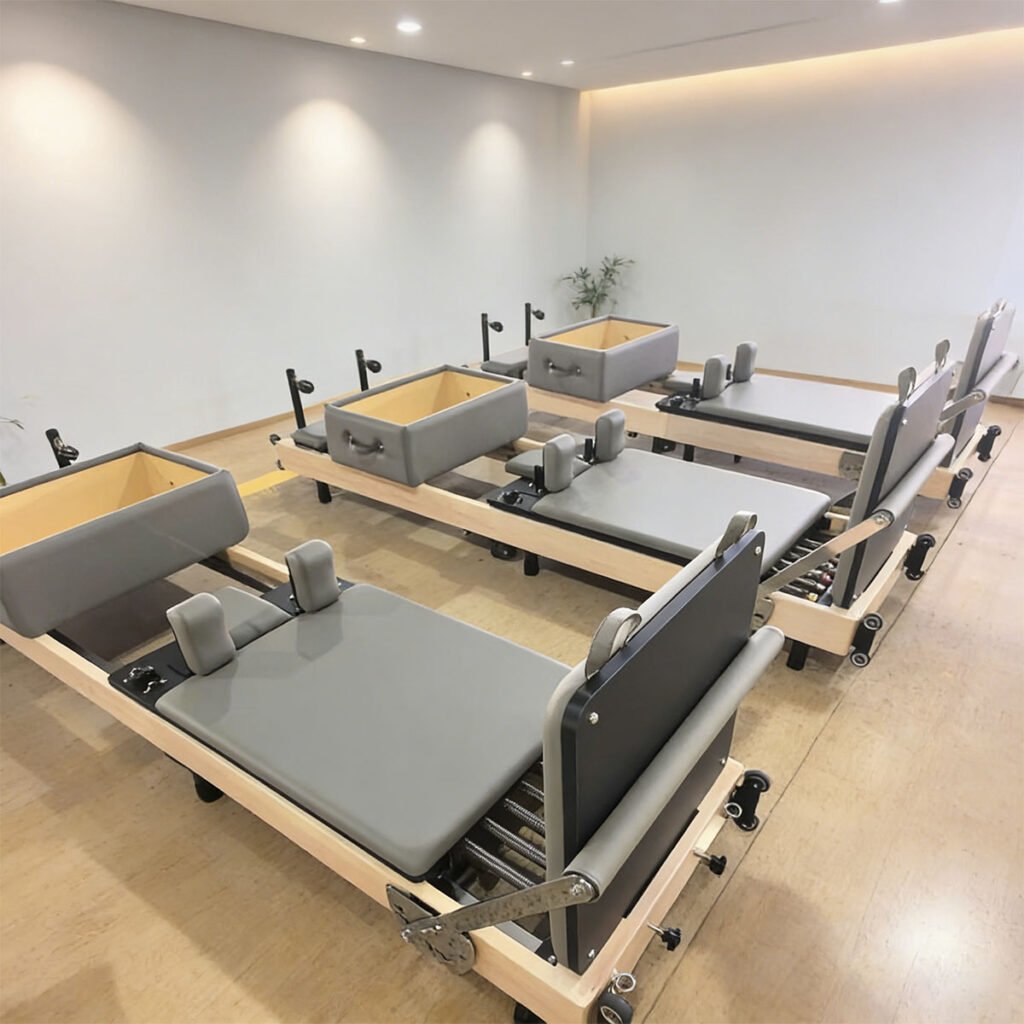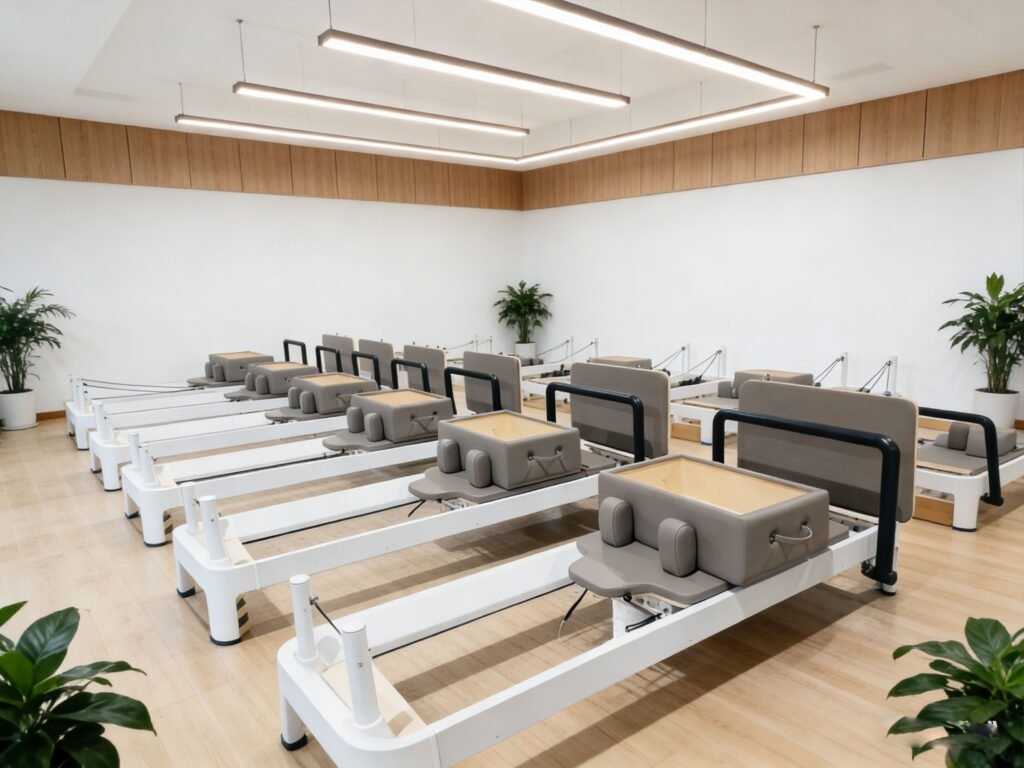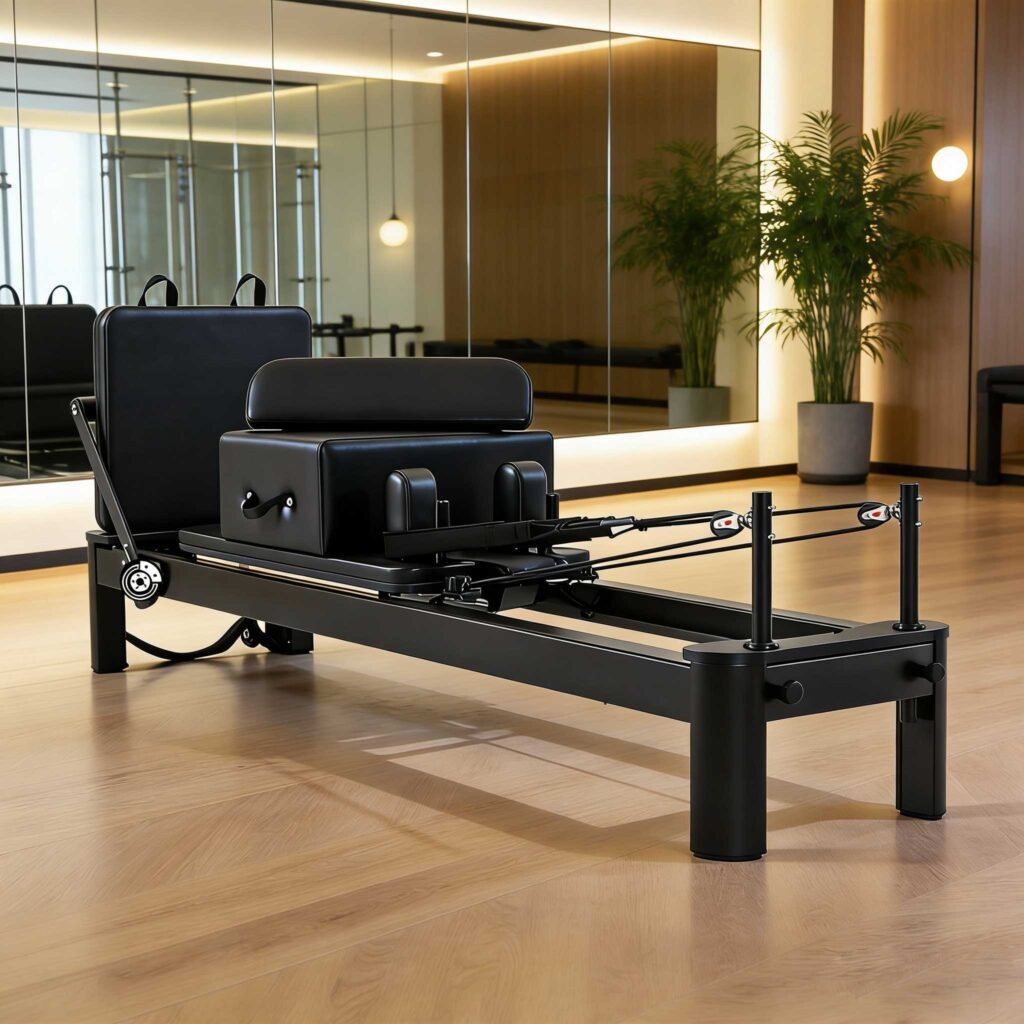
For fitness business owners, the decision to invest in equipment is always guided by two core factors: customer demand and return on investment (ROI). Commercial Pilates reformers excel in both areas, making them a smart choice for any establishment aiming to stay competitive.
First and foremost, Pilates as a discipline has seen a surge in demand in recent years. Unlike high-intensity workouts that often focus solely on burning calories, Pilates emphasizes core strength, flexibility, posture improvement, and mind-body connection – elements that resonate with a wide range of clients, from busy professionals seeking stress relief to athletes recovering from injuries. The reformer, with its adjustable resistance, sliding carriage, and versatile attachments, takes Pilates to the next level by allowing for a more personalized and challenging workout. This versatility means studios can cater to diverse client needs, from beginners to advanced practitioners, expanding their customer base significantly.
From a business perspective, commercial Pilates reformers offer excellent ROI. They are built to withstand heavy, daily use – a critical factor for busy studios where equipment durability directly impacts operational costs. Unlike residential reformers, which are designed for occasional home use, commercial-grade models are constructed with high-quality materials such as stainless steel frames, reinforced cables, and durable upholstery, ensuring they last for years with minimal maintenance. Additionally, reformer-based classes often command higher prices than traditional group fitness sessions, as they offer a more specialized and intimate training experience. This higher price point, combined with consistent demand, translates to increased revenue for businesses.
Not all commercial Pilates reformers are created equal. To ensure you’re making a worthwhile investment, it’s essential to evaluate key features that align with your business needs and client expectations.